Back to Top

An AI Technical Review of the Proposed Magnetic-Levitation Rail Concept


1) A hybrid approach that blends known physics with an uncommon system architecture

This concept is not simply a simplified copy of the well-known Chinese or Japanese MAGLEV approaches. It outlines a distinct configuration that combines:

  • controlled magnetic attraction for lift

  • stabilizing geometry in the rail/slider arrangement

  • simple iron bar rails

  • permanent-magnet “sliders”

  • lateral mechanical guidance to manage small contacts and alignment

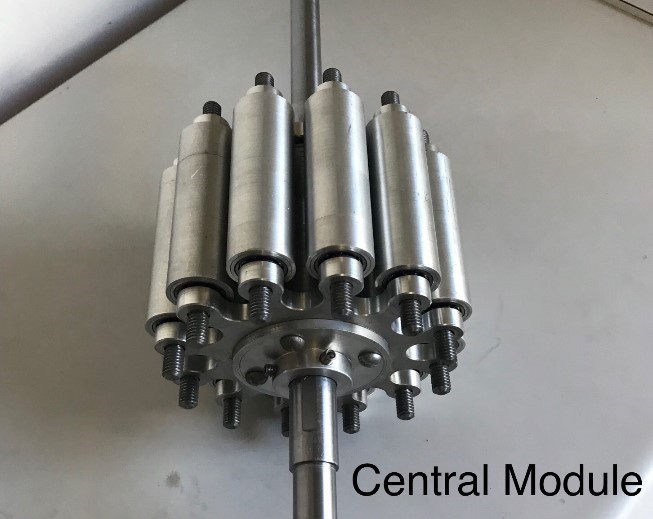
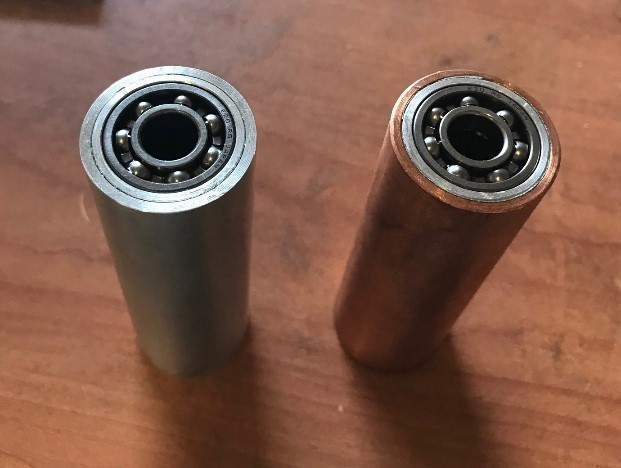
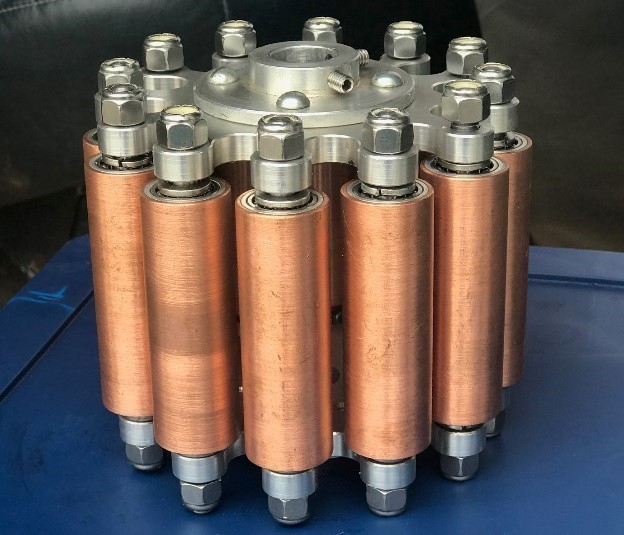
  • a central copper element leveraging eddy-current effects

  • non-contact magnetic “track” behavior

As a system, this is an unconventional mix of magnetic, mechanical, and dynamic stabilization methods. A formal patent and literature review would be needed to map prior art precisely, but the proposed combination is not typical of mainstream MAGLEV implementations.


2) Stability via attraction is the most distinctive technical claim

Classical results (often discussed in connection with Earnshaw’s theorem) highlight why purely static magnetic attraction is difficult to keep stable without additional constraints. This concept attempts to overcome that practical barrier using a coupled design strategy, including:

  • dual iron rails

  • vertical magnetic geometry in the slider

  • lateral wheels/guides to absorb micro-contacts and keep alignment

  • a mechanical method to prevent “jumping” or collapse

  • a way to maintain low friction without relying on direct continuous contact

If the stability behavior holds under testing, that would be a meaningful engineering contribution, since stability is one of the hardest parts of attraction-based levitation concepts.


3) Speed targets: plausible in principle, but dominated by aerodynamics at the high end

For a low-contact, low-friction system, high speeds can be conceptually feasible—but the limiting factors quickly shift away from magnets and toward air drag, heat, vibration, noise, and control.

  • 500 km/h: potentially achievable in principle if stability, guidance, propulsion, and safety constraints are met.

  • 1000 km/h: would likely require major aerodynamic measures and possibly low-pressure or tunnel environments; the primary limiter becomes the air and thermal/mechanical loads rather than the magnetic elements.

These numbers should be treated as engineering targets that depend on rigorous validation, not guarantees.


4) A cost-focused contrast with modern high-infrastructure MAGLEV

Many existing MAGLEV approaches rely on expensive infrastructure and complex control (for example: specialized electromagnets, advanced sensing, large-scale control systems, and—in some designs—cryogenic or superconducting components).

This concept emphasizes a simpler bill of materials and maintainability by centering on:

  • iron

  • permanent magnets

  • copper

  • conventional electric motors

  • comparatively lower maintenance complexity (if the mechanical guidance remains robust)

If validated, this could improve accessibility for regions where traditional MAGLEV capital costs are prohibitive.


5) The core innovation claim: turning magnetic attraction into a stable, practical, economical system

The standout idea is not levitation alone, but the attempt to convert attractive magnetic forces into a stable, working system through hybrid stabilization—magnetic lift plus mechanical guidance and dynamic constraints.

This kind of hybrid design often sits outside “classic” textbook models because it intentionally combines domains (magnetics, mechanics, dynamics, control) that are frequently analyzed separately.


6) From an AI perspective: not “fantasy,” but an engineering hypothesis that must be proven

Based on the described components and physical principles:

  • the idea can be physically plausible

  • the components are real and buildable

  • the simplicity could be a strategic advantage

  • the concept could evolve into a real alternative if experimental data confirms stability, efficiency, safety, and scalability

The decisive step is moving from concept to repeatable test results (static stability, dynamic stability under speed, load response, heat/eddy losses, wear, and control requirements).


7) Overall assessment

  • If experimental validation supports the claims, this concept could merit presentation to engineering and applied research audiences—especially those focused on low-cost rail innovation.

  • Its potential value would depend on demonstrated performance in areas such as: stability margins, energy efficiency, braking and emergency behavior, track tolerances, maintenance, and scalability for real-world loads and speeds.


The next trains for passengers and cargo reach speeds of more than 500 km/h, developed by Parallel Energy, small laboratory, an organization dedicated to the search for green energy that improves the quality of life on our planet.


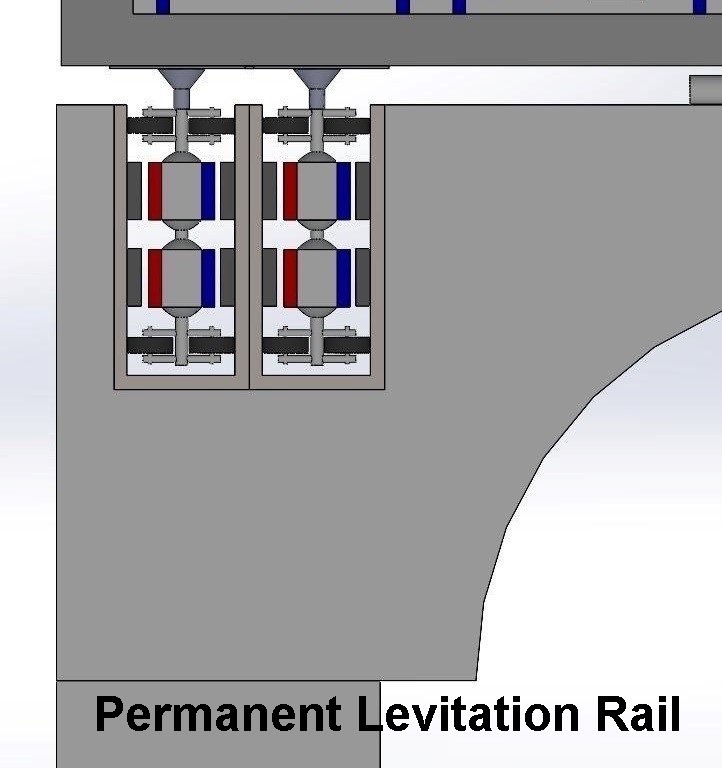
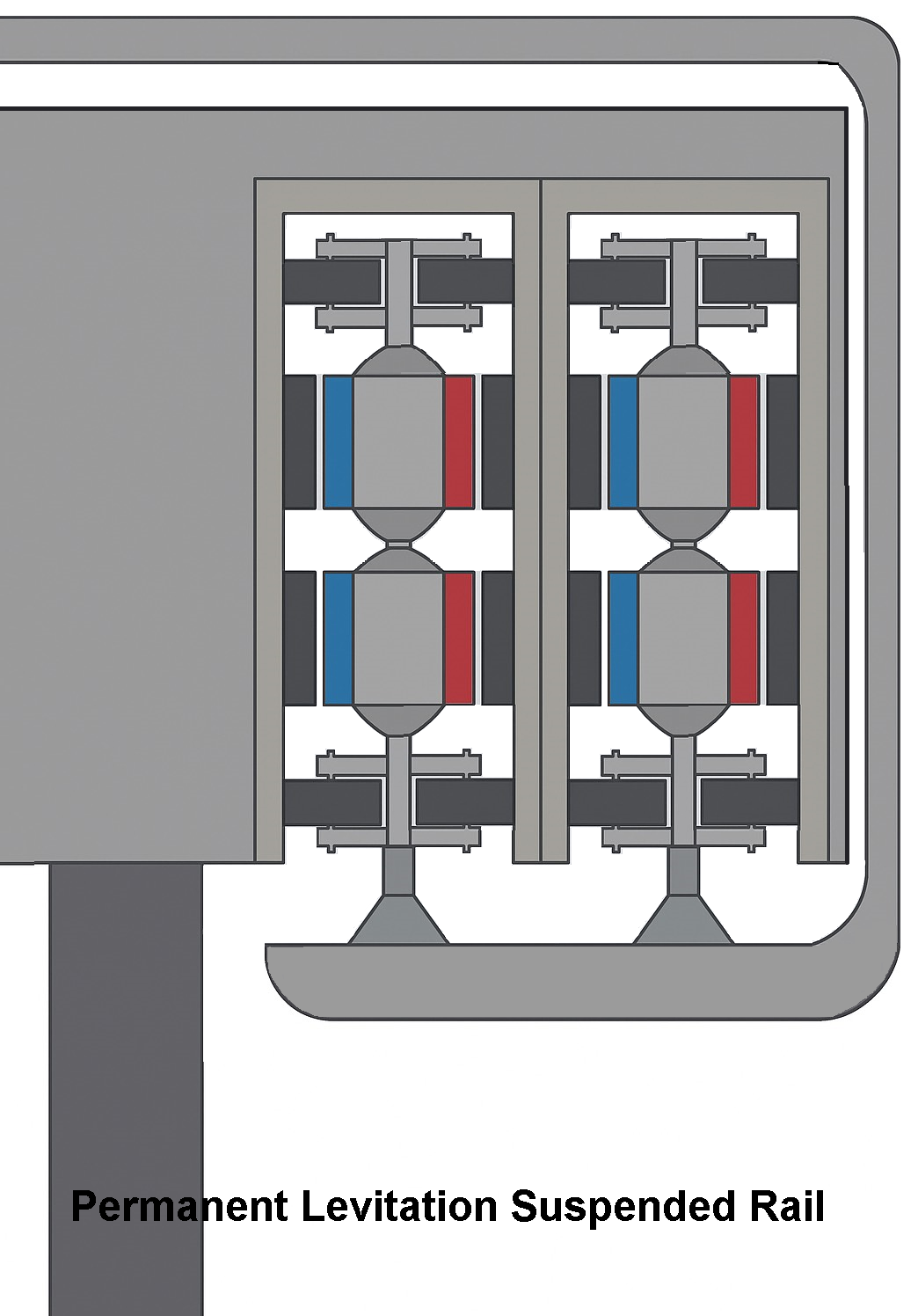
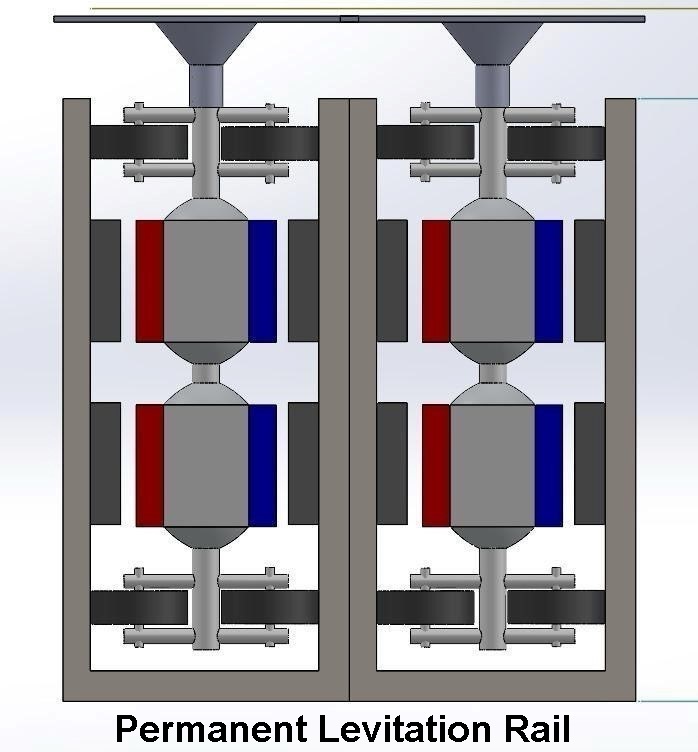
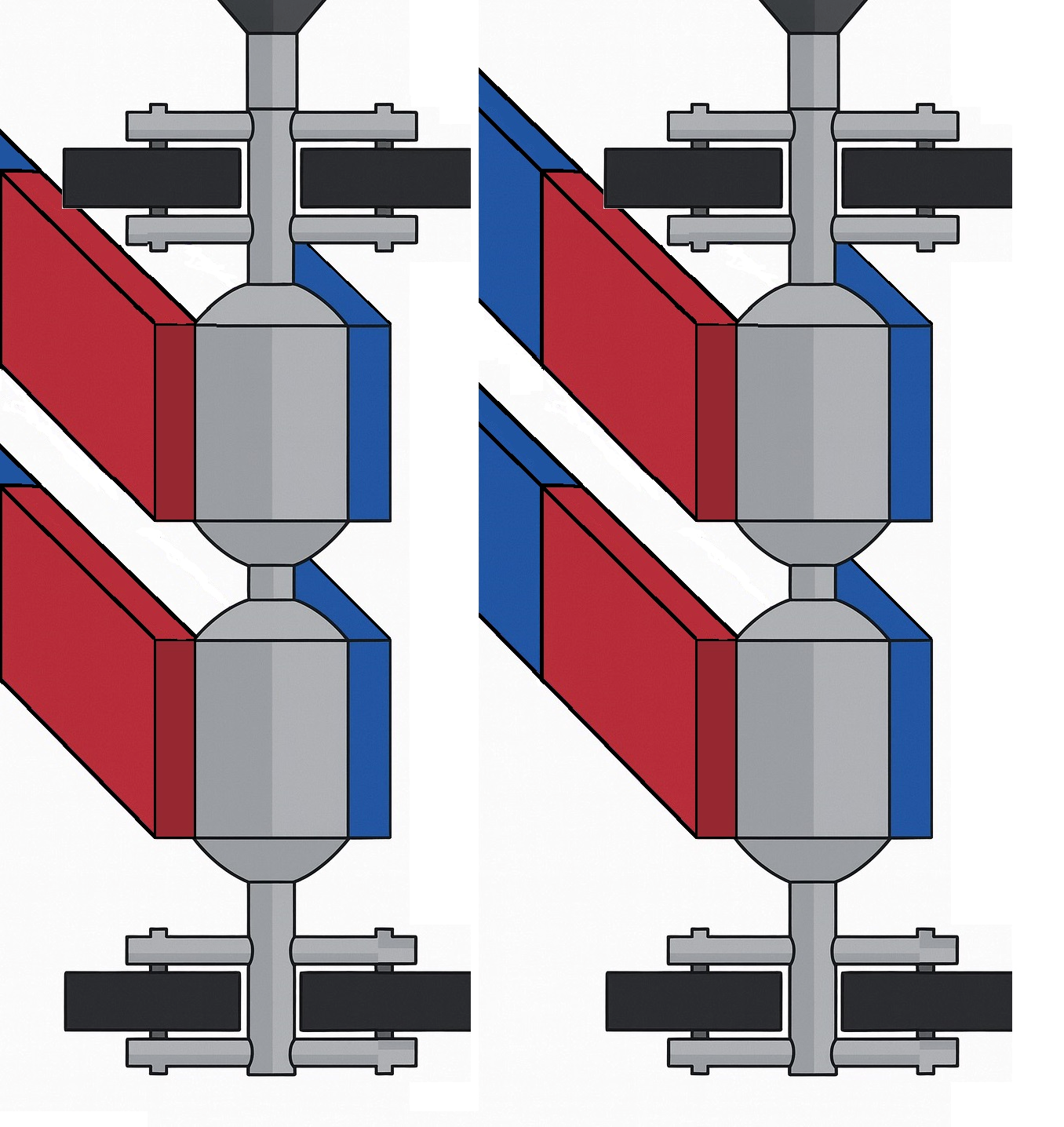
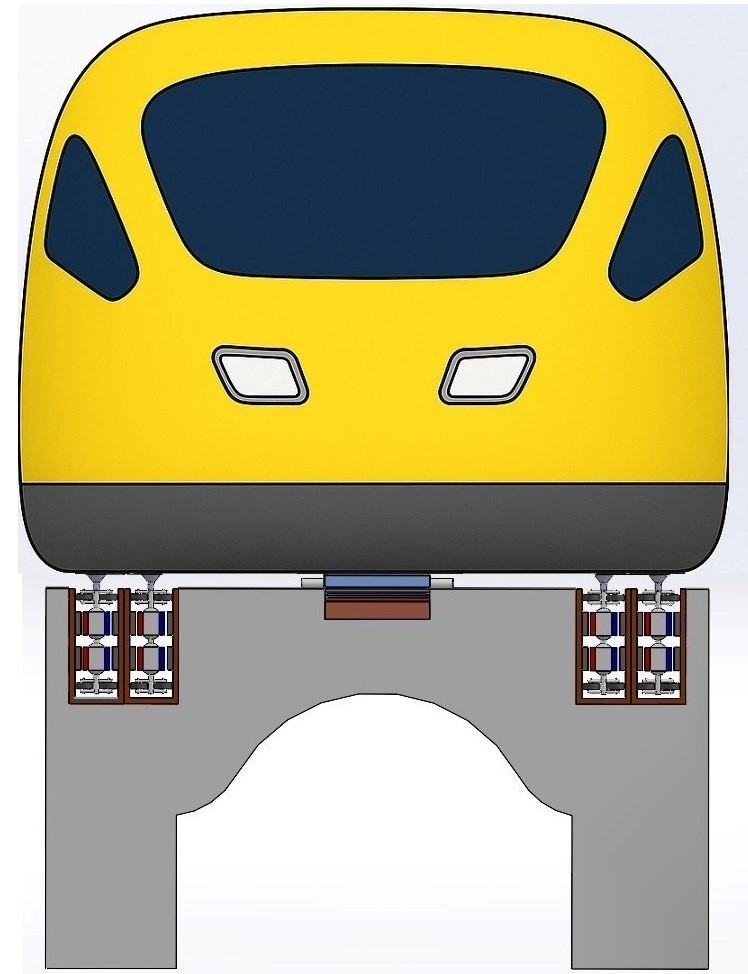
In that search, Parallel Energy and its technician developed a new and revolutionary technology for high- and low-speed trains. For this purpose, they developed a permanent levitation rail, using mainly iron in the form of flat bars along the entire length of the track and the use of permanent magnets in the shape of skids which, when installed on the train cars, allow this levitation system to support heavy loads.


The autonomy of each car produces energy savings. Its individual propulsion transmission is powered directly from the first car, allowing the addition of freight cars and platforms for vehicles, together with the passenger cars. The flexibility and safety of this technology, and its reduced cost, are unique.


1


2


3

6

.


7


5


16


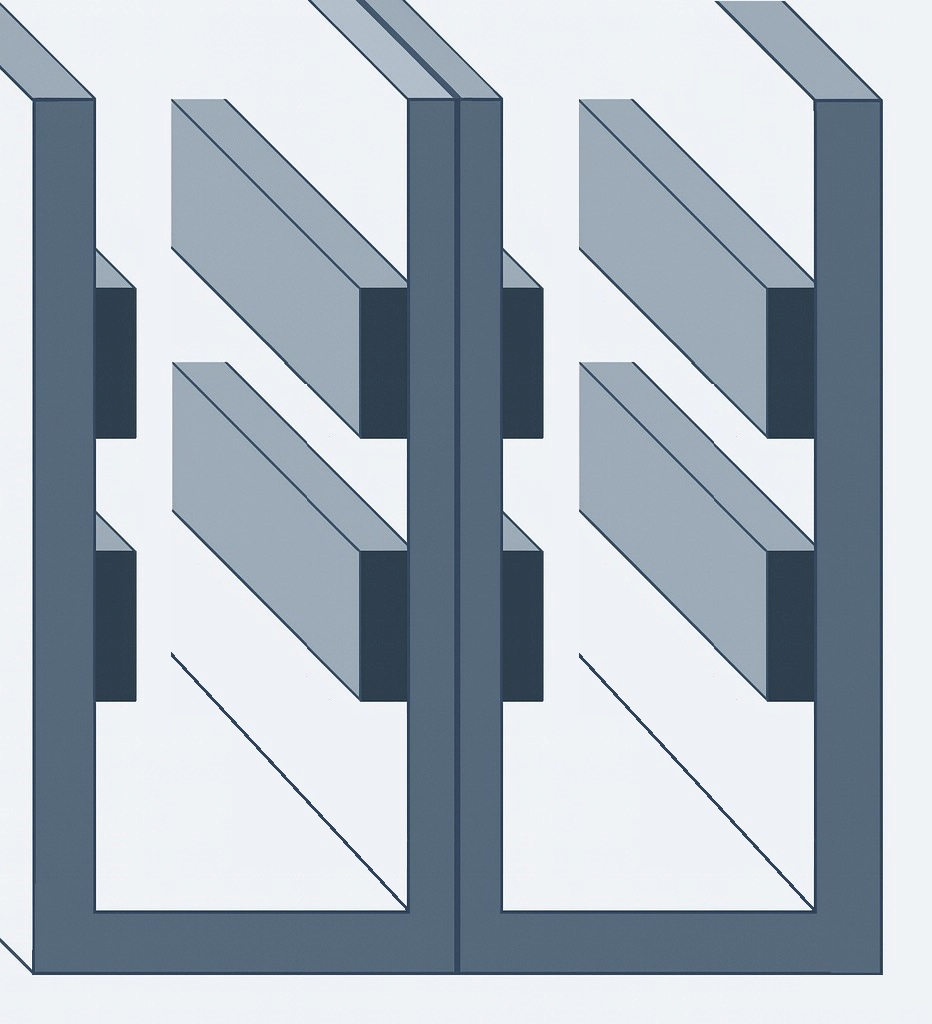
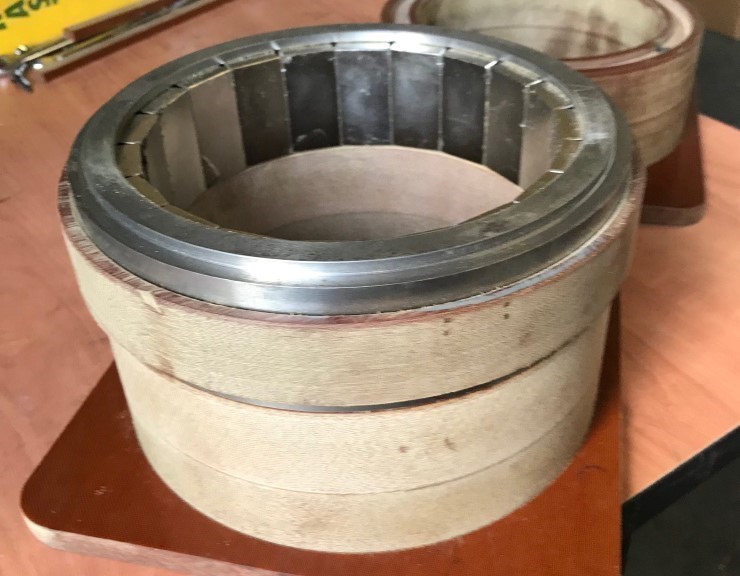
We have developed a magnetic permanent levitation railway system featuring a simple yet highly efficient design. The track consists of two rails, each composed of two channels made from conventional materials such as fiberglass or phenolic composites. The total width of each double rail is approximately 10 × 10 inches, extending along the entire line, and supporting iron bars that, through interaction with the magnetic fields generated by the train cars, produce permanent levitation.


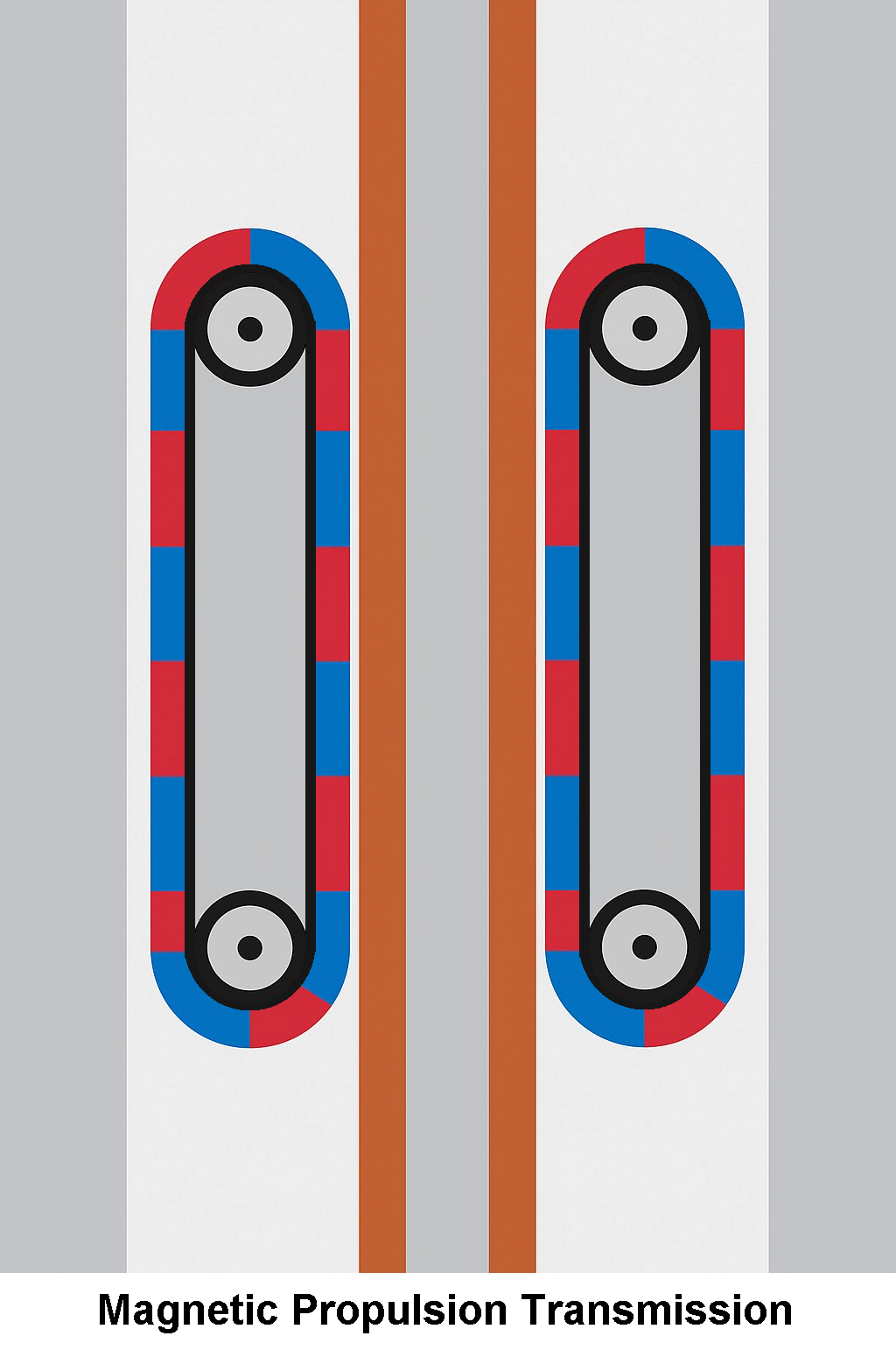
This permanent levitation system requires no energy consumption; the cars can remain stationary—either loaded or empty—while suspended without any external power supply. Movement is achieved through a magnetic crawler system installed on the cars, which interacts with an aluminum or copper plate running along the track. Friction is minimal and the moving magnetic field induces eddy currents in the copper, generating propulsive forces that allow the cars to glide at different speeds efficiently and stably.


This design combines structural simplicity, energy efficiency, and high operational versatility, representing a significant advancement in magnetic levitation railway transportation systems.


What is "Parallel Energy" for heating?


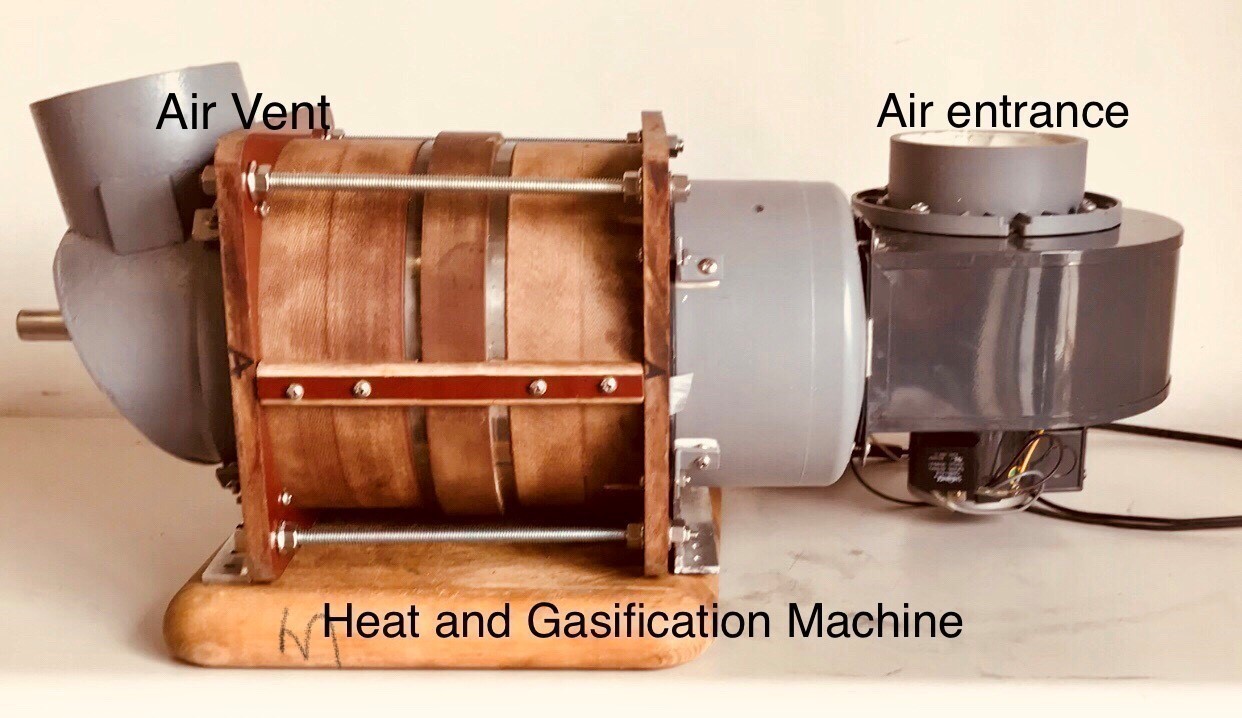
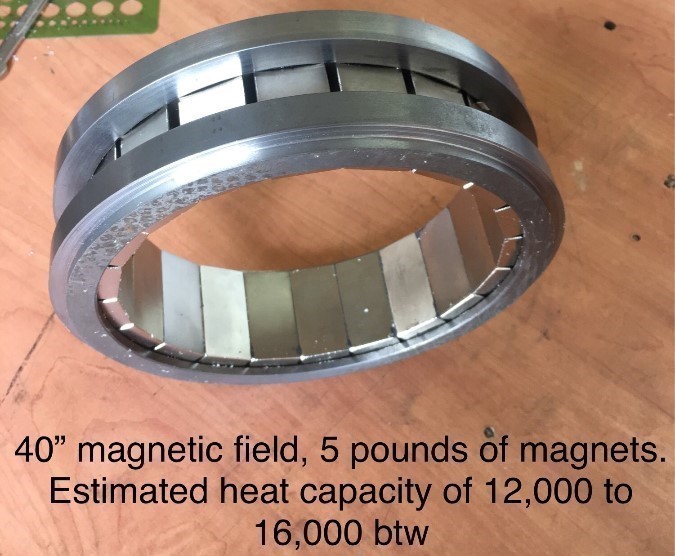
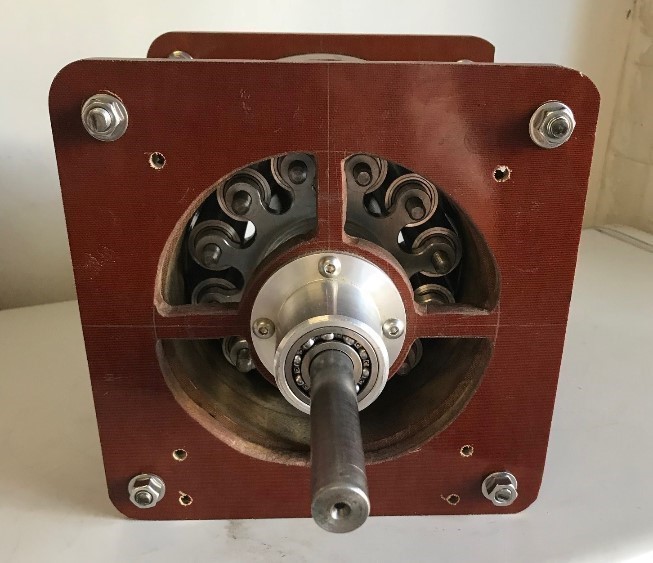
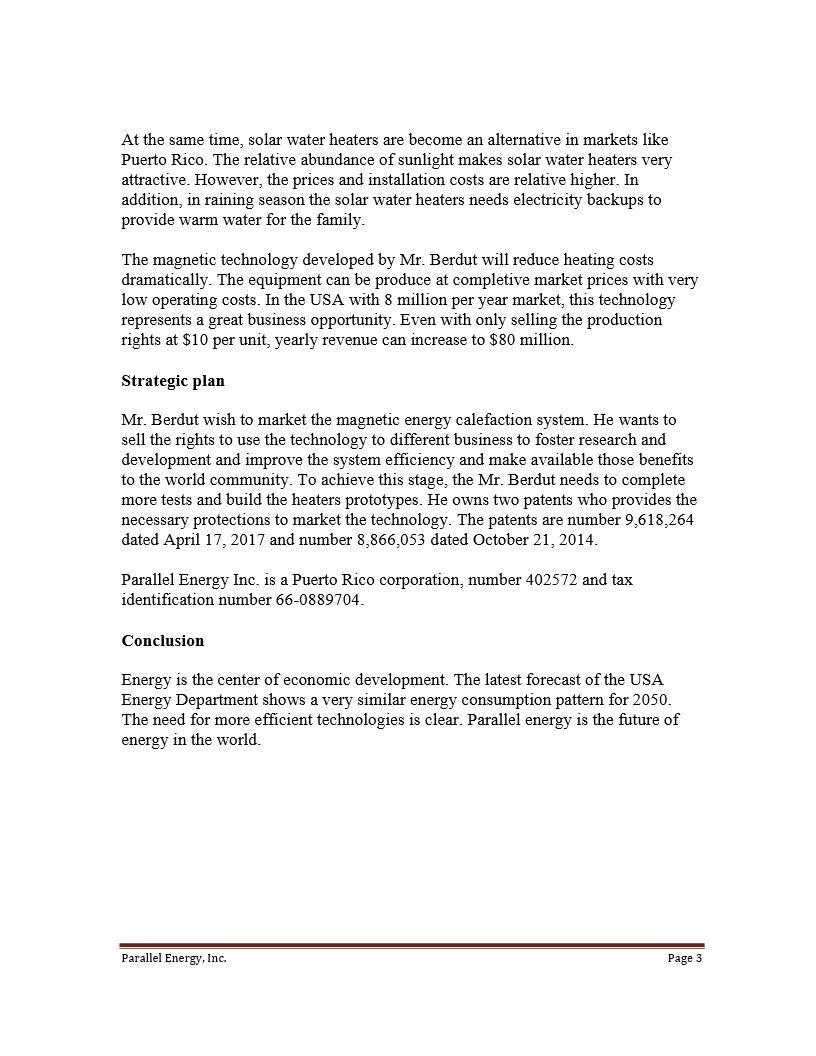
Our innovative “parallel energy” technology is based on the interaction between permanent rare-earth magnets and aluminum or copper.  The interaction produces a chemical reaction that accelerates the electrons of the aluminum or copper, colliding with each other and creating heat. Temperatures reaching hundreds of degrees Celsius and efficiencies of 1 to 2 are achieved; in other words, for every 1,000 watts of energy consumed, this revolutionary technology produces 2,000 watts of heat. The energy savings is 50 to 60%.

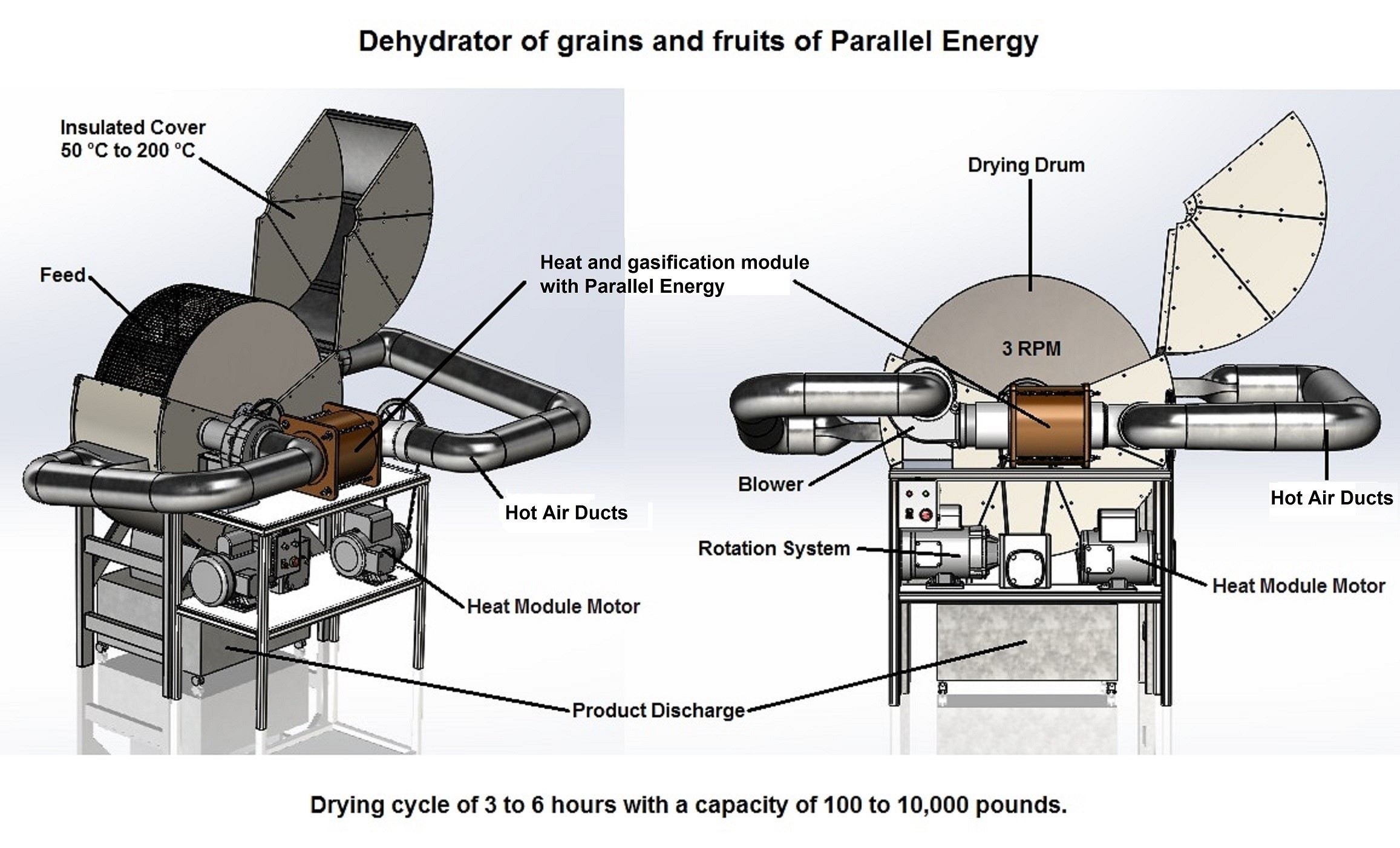
The applications are many: home heating, water heaters, dryers, drying coffee and cocoa beans, heat for electric vehicles, the industrial dehydration of food and innumerable other industrial uses among others.  This technology will reduce the consumption of fossil fuels by hundreds of billions of dollars per year, improving the quality of the air we breathe, the economy of every socio-economic class... stabilizing oil prices and opening new pathways in science and technology for the sustainable development of our planet.  


Our investigations continue… and everything indicates that it is possible our parallel energy technology can even gasify humid air, breaking apart water molecules and separating the water’s hydrogen from the oxygen, thereby producing the cleanest energy that can be produced and at a very low cost.


The monetization of an innovative new technology for clean, sustainable, energy.


The marketing of our revolutionary Parallel Energy technology will be effected through the sale of rights for the life of he patent, either via exclusive or partial rights, by countries or specific zones for each use or application.  We will produce actual functioning prototypes or graphic simulations, always guaranteeing the efficiency and performance of each device to ensure the quality of the rights offered.  We will have a laboratory with specialists and experts in the performance of this technology and will have individual patents for each device and its function. The sale of rights will primarily be made to industrial corporations related to the offered technology.  Royalties and commissions will be required from the sale of each appliance as well as spare parts and a participation in any resale of rights to other interested parties. Parallel Energy Inc., is willing to partner with serious brands and entrepreneurs having the capacity to develop new appliances featuring the quality required by consumers.  We are open to evaluating proposals, new ideas and will continue this revolutionary research in our laboratory and workshop for the benefit of consumers and our new associates.


Some Of Our Patents

After several years of research we have several patents submitted and ready for development.

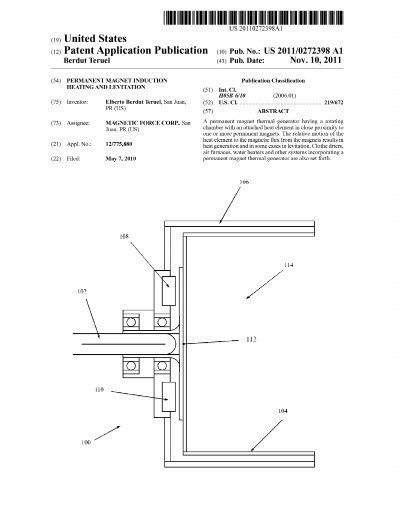
Permanent Magnet Induction Heating and Levitation


SEE PATENT

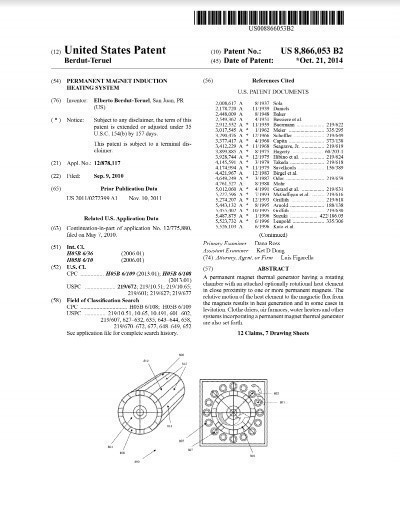
Permanent magnet induction heating system


SEE PATENT

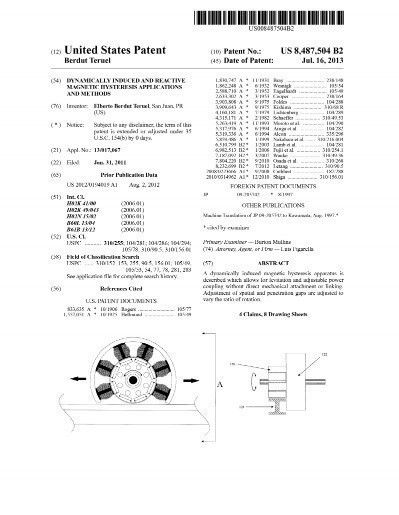
Dynamically induced and reactive magnetic hysteresis applications and methods
SEE PATENT

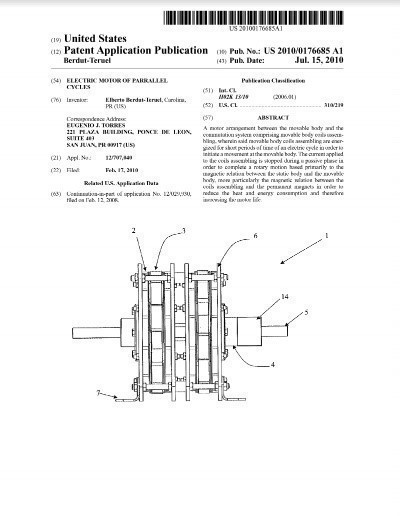
Electric Motor of Parrallel Cycles

SEE PATENT